Existing substance
Defined replication program
Operational systems • Historical technical proof • Independent replication • International development readiness
In situ bioprinting in a rabbit knee-joint model
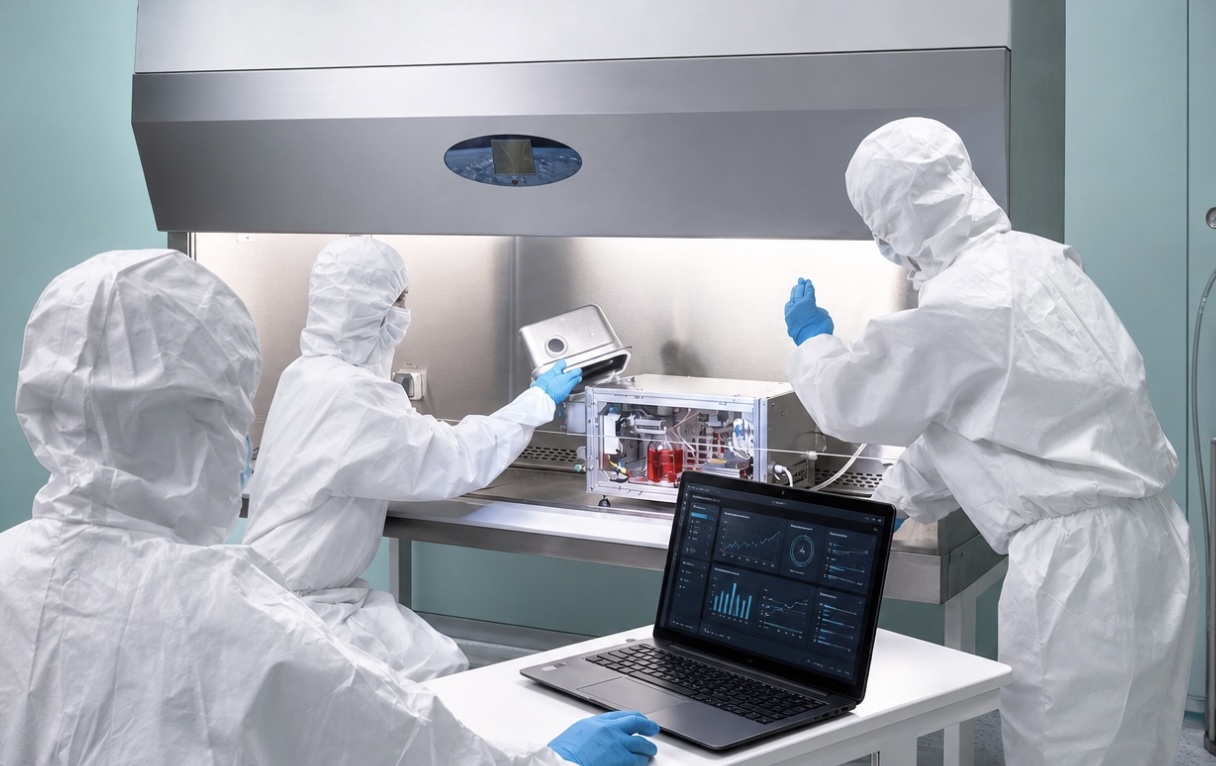
In 2025, Regentron’s scientific team participated in preclinical in-situ bioprinting in a rabbit knee-joint model, demonstrating the integration of digital planning, positioning, and controlled material delivery in a live procedural setting.
each answering a strategic question
Independent technical and scientific replication
Reproducing the critical aerosol, biological, and device claims
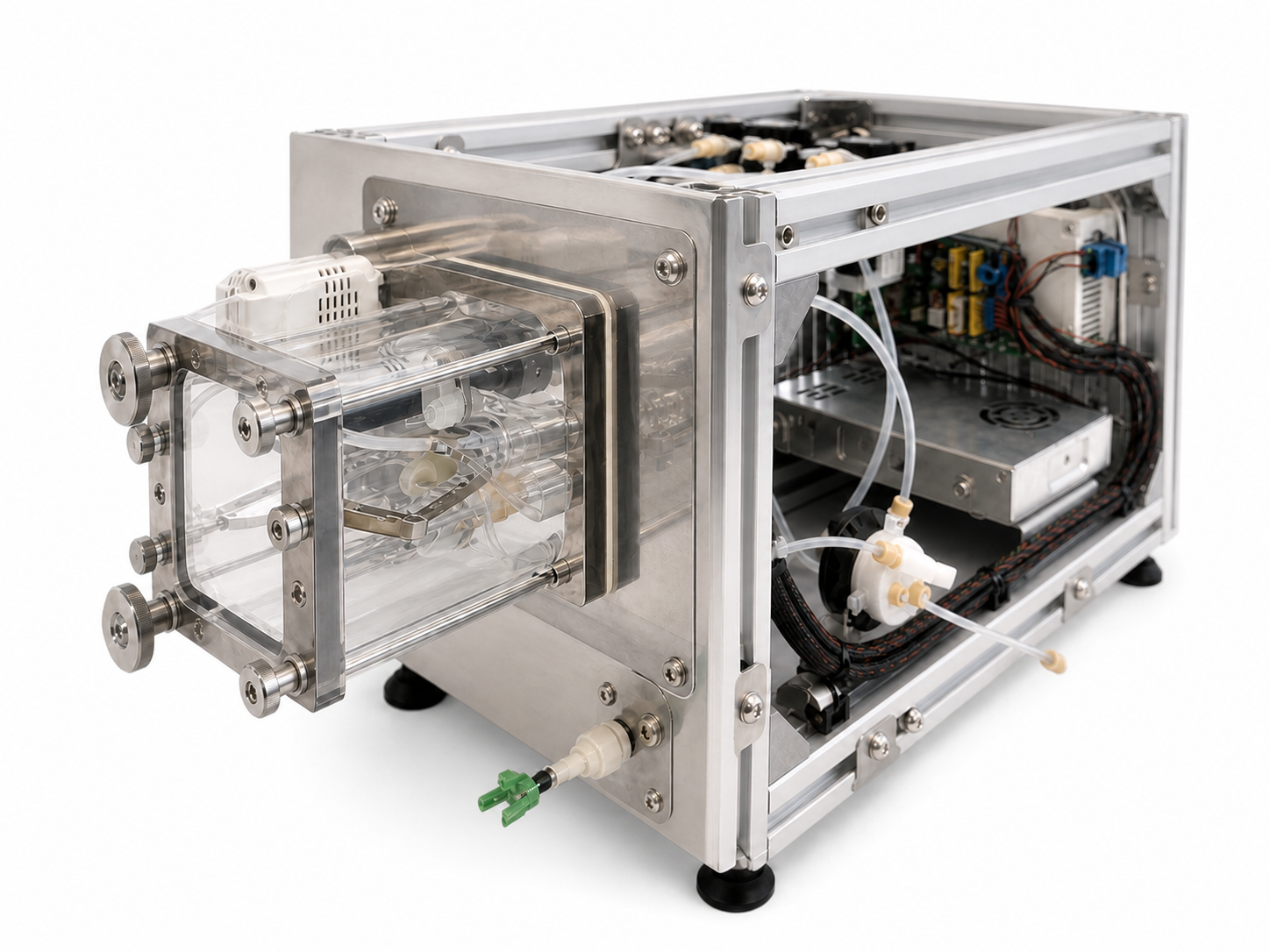
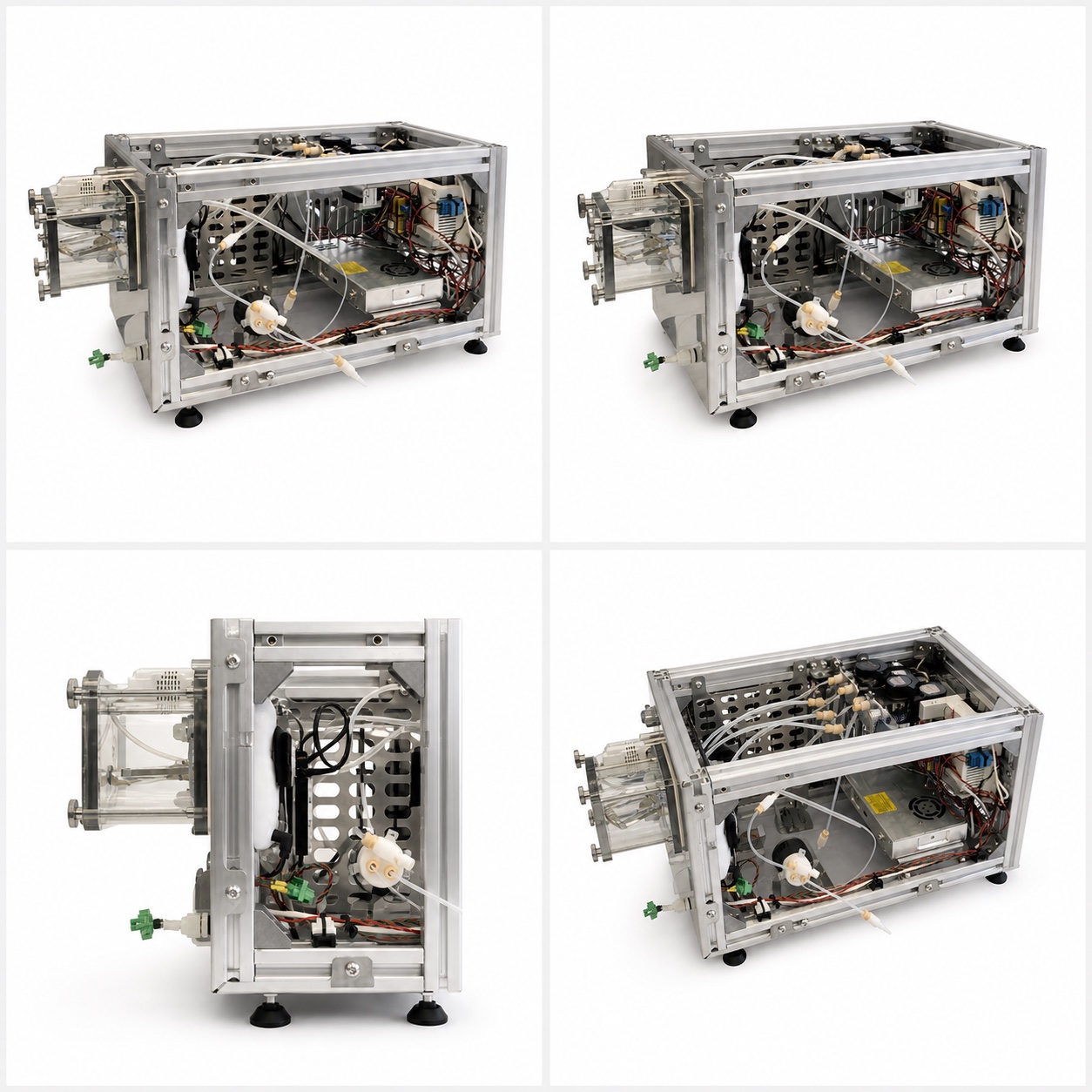
Engineering views of the functioning bioreactor prototype
- What it tests
- The aerosol process
- Reproducibility and specifications
- Technical performance
- Relevant device and biological claims
- Program output
- Independent reproducibility data
- Defined technical specifications
- Documented acceptance criteria
- An engineering-transfer package
Predefined protocols and acceptance criteria convert the existing technical work into a decision-grade reproducibility package.
Historical fingertip technical proof
Historical fingertip work is retained as an early technical proof model for the in-vivo microenvironment and selected delivery capabilities. It is not presented as Regentron’s primary commercial indication or as the principal clinical support for the representative cell-therapy product.
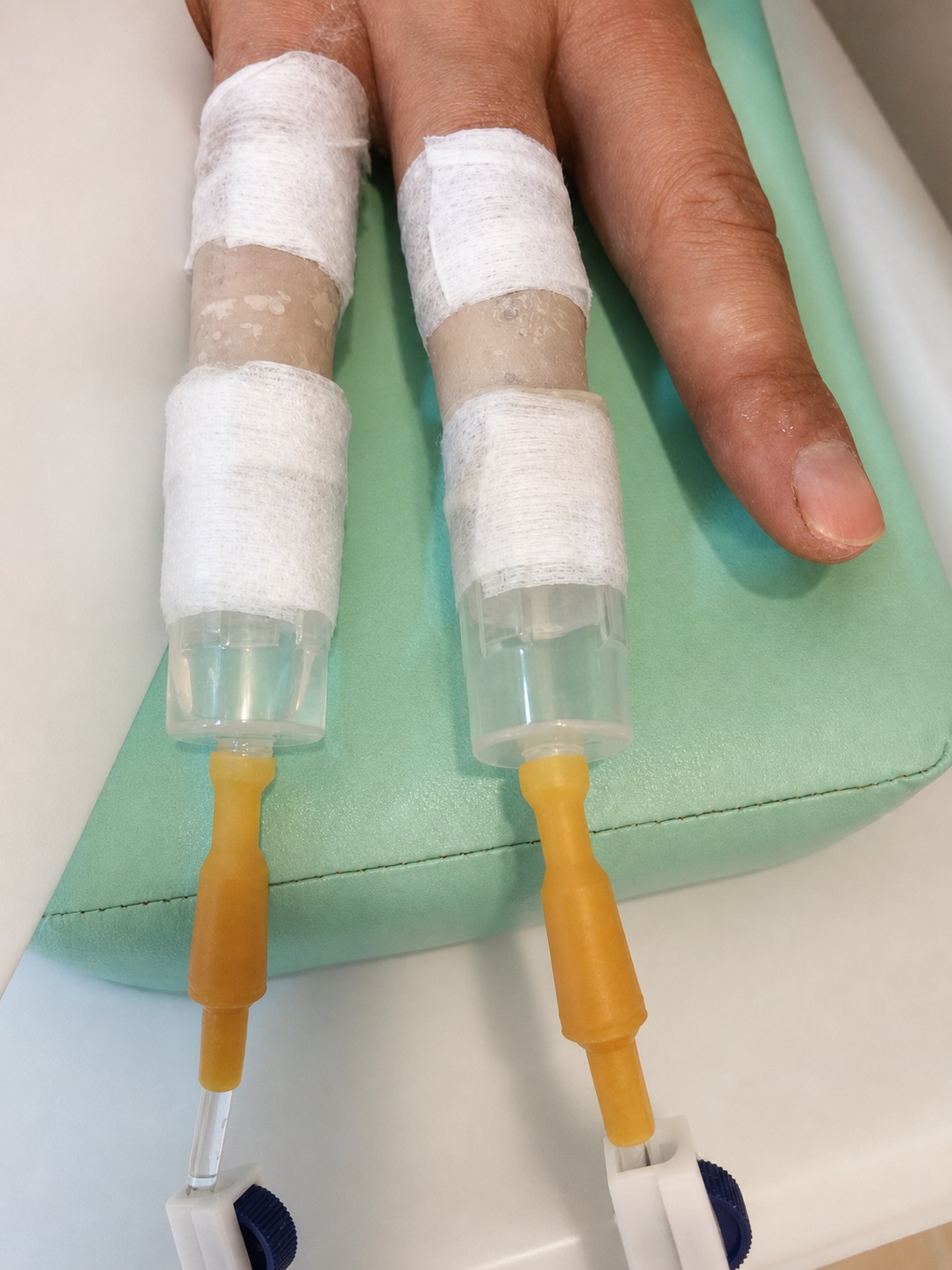
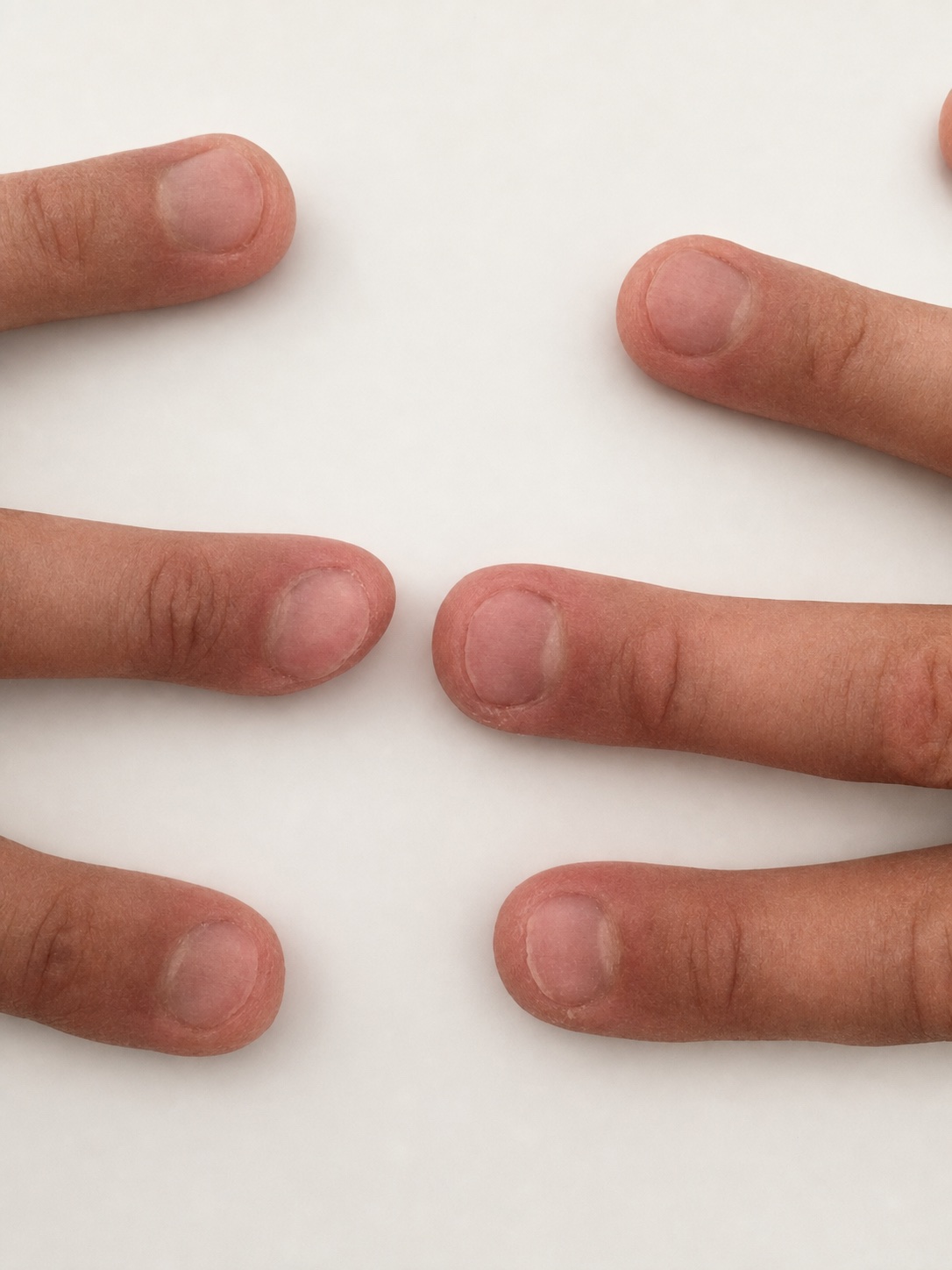
- Historical proof focus
- The in-vivo microenvironment
- Selected delivery capabilities
- An early historical regenerative signal
- Clinical workflow and selected functional observations
- Historical safety observations
- Program output
- Structured historical evidence
- Defined device configuration
- Documented workflow
- Independent technical review
- A clear boundary between historical proof and prospective clinical evidence
Bone and cartilage regeneration study
Can the Regentron configuration improve delivery and performance of a standardized reference cell product?
- Strategic question
- Whether Regentron's protected in-vivo microenvironment and delivery capabilities can improve retention, persistence, and regenerative performance compared with conventional delivery.
- Model
- A qualified small-animal critical-size bone-defect model, with cartilage defined as a follow-on workstream.
- Representative cell product
- A standardized reference mesenchymal stromal or osteoprogenitor-cell product, with matched cell lot and dose across cell-containing groups. It is used to test the incremental effect of the platform and is distinct from Regentron’s proprietary alopecia spheroids, reparative-osteogenesis spheroids, tissue-engineered constructs and implants, and bone or cartilage cellular applications.
- Study groups
-
- Vehicle / scaffold without cells
- Regentron configuration without cells
- Reference cells delivered conventionally
- Reference cells delivered with the Regentron configuration
- Endpoints
- Primary: local cell retention and persistence.
Secondary: post-delivery viability, new-bone volume, defect bridging, histological integration, and safety. - Execution
- Independent CRO; predefined protocol; randomized allocation; blinded analysis; sample size set by independent biostatistical review.
- Decision standard
- Acceptance criteria are predefined and locked with independent biostatistical review before the confirmatory cohort. The study is designed to demonstrate a partner-relevant platform effect and create a clear basis for strategic collaboration.
What exists, at what grade, and what the program adds
Each asset and claim is mapped from its current foundation to a defined program deliverable, creating clear milestones for institutional review and strategic partnering.
| Asset or claim | What exists today | Evidence grade | Current program deliverable |
|---|---|---|---|
| Historical fingertip technical proof | Records, images, and reported follow-up identified in available materials | Historical real-world observation | Independent audit, source verification, and structured evidence report |
| Regeneratron lead device | Granted patent, functioning device, and reported historical use | Technical & historical clinical use | Locked configuration, documented specifications, and independent technical review |
| Aerosol bioreactor | Functioning prototype and internal technical work | Internal technical evidence | Independent replication, reproducibility data, and engineering-transfer package |
| Regulatory pathway | Working classification analysis | Regulatory strategy in development | Product-specific classification strategy and formal agency engagement |
| Bone and cartilage platform effect | Existing biological and technical rationale | Strategic platform hypothesis | Independent bone study with cartilage as a defined follow-on workstream |
From existing foundation to partner-funded development
Existing foundation
- Patents
- Prototypes
- Internal technical work
- Historical human observations
Independent confirmation
- Evidence audit
- Technical replication
- External review
- Reproducibility
Partner-ready package
- Manufacturing foundation
- Regulatory strategy
- Combination data
- Study readiness
Subsequent partner-funded development
- Prospective clinical execution
- Scale-up
- Regulatory submissions
Six milestone gates
The round is organized as six independent, auditable checkpoints.
IP recordal & corporate foundation
Recordal of the transfer, international protection, FTO / claim-scope work, governance, and data-room completion.
Systems & manufacturing foundation
Lock configurations, specifications, process controls, quality-system gaps, and the engineering-transfer package.
Independent technical & scientific replication
Reproduce the critical aerosol, biological, and device claims under predefined protocols and acceptance criteria.
Historical-evidence audit & clinical readiness
Audit the existing cases and separately prepare the future protocol, endpoints, sites, ethics, monitoring, and regulatory package.
Regulatory, quality & diligence readiness
Confirm the working classification strategy, undertake agency engagement, and complete the partner-grade data room.
Strategic-counterparty engagement
Target mapping, discovery discussions, and a formal process aligned with the relevant evidence thresholds.